Hong Kong is positioning itself as a central hub for cryptocurrency and Web3 innovations, according to Chief Executive John KC Lee, who expressed the government's strong commitment to nurturing the digital asset landscape at the CoinDesk Consensus conference on February 11, 2026.
Support for Crypto Development

In his opening remarks, Lee emphasized the Hong Kong Special Administrative Region's (HKSAR) dedication to establishing the city as a global leader in digital assets. "The HKSAR Government is committed to establishing Hong Kong as a global hub for innovation in digital assets," he stated, highlighting the active steps being taken to develop a regulatory framework that fosters sustainable growth within the Web3 ecosystem.
Lee pointed out that Hong Kong's geographical advantages, combined with its unique position under the "one country, two systems" principle, create a distinctive opportunity for crypto development. "Hong Kong is the only city that converges both the China advantage and the global advantage," he elaborated, noting the city's robust financial regulatory framework and deep liquidity in its financial markets.
Regulatory Framework Initiatives
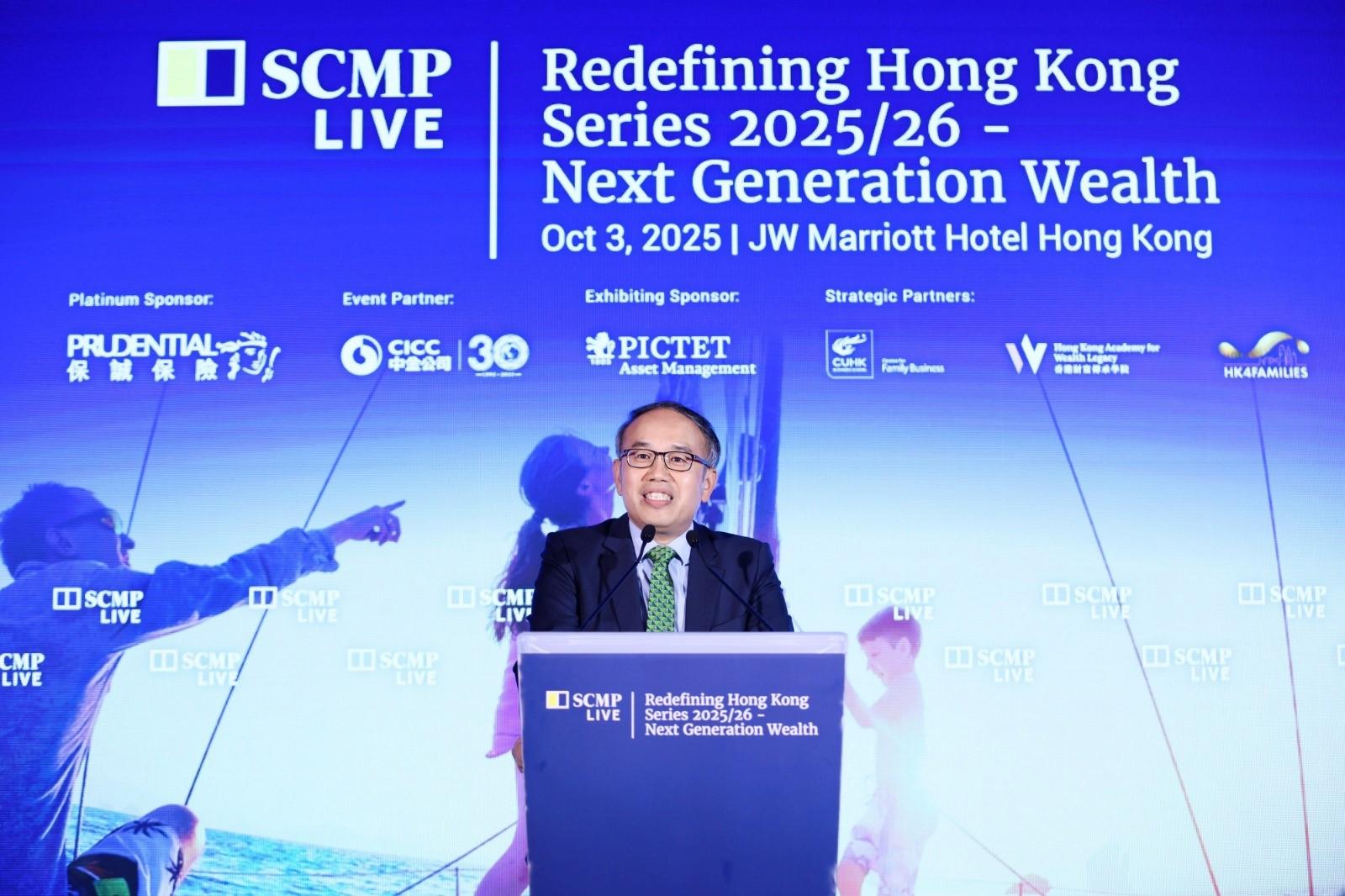
The chief executive outlined specific actions Hong Kong is undertaking to bolster its digital asset market. He referenced a recent policy statement focusing on digital asset regulation and stablecoin development. The Hong Kong Monetary Authority is anticipated to issue licenses for stablecoin providers, with the first approvals expected to roll out within the month.
In addition, the Hong Kong Securities and Futures Commission is taking steps to enhance market liquidity for virtual assets, which Lee noted is essential for the thriving growth of this sector. "Hong Kong is in a strong position in promoting Web3 development," he said, reiterating the government's proactive approach to these emerging technologies.
Calls for Global Collaboration

Lee extended an invitation to businesses and institutions worldwide, expressing a desire for collaboration as Hong Kong transitions to the forefront of finance and technology. "We welcome companies and institutions from around the world to join hands with us, and build a brighter digital future together," he declared, emphasizing the open environment the city hopes to maintain for potential partners in the digital economy.
The emphasis on collaboration and development is a clear reflection of Hong Kong's strategy to leverage its existing financial infrastructure while accommodating the fast-evolving needs of the crypto industry.
Broader Implications in the Crypto Space
In a parallel development, major firms in the crypto space are also making strides. Notably, Robinhood has initiated testing for its own blockchain, named Robinhood Chain, which will be built on the Ethereum-based Arbitrum. This blockchain aims to facilitate around-the-clock trading of tokenized assets and easy access to decentralized finance (DeFi) applications, signaling a deeper commitment to the tokenization of stocks and other financial instruments.
Robinhood Senior Vice President Johann Kerbrat explained the rationale behind the creation of the Robinhood Chain. “What we wanted was the security of Ethereum, the liquidity that is available on EVM chains and the Ethereum ecosystem,” he told CoinDesk in a recent interview.
This move by Robinhood highlights a growing trend among financial service providers to explore blockchain solutions as they seek innovative ways to enhance trading environments for their users.
The Future of Crypto in Hong Kong
As Hong Kong continues to bolster its digital asset infrastructure and regulatory clarity, it is likely to draw more talent and investment from global markets. The city's proactive stance on Web3 and crypto innovation serves as an indicator of its ambition to become a major player in the digital economy.
The government and regulatory bodies in Hong Kong appear determined to create an environment conducive to innovation, as they navigate the complexities and opportunities presented by digital assets. With upcoming licensing for stablecoins and continuous development in regulatory frameworks, the path forward for Hong Kong looks promising.
As the crypto landscape evolves, it will be essential for Hong Kong to maintain its momentum, ensuring that it remains at the leading edge of finance and technology, while fostering a collaborative and innovative ecosystem for all stakeholders. The developments presented by both government initiatives and corporate innovations signal an exciting time for the future of digital assets in Hong Kong.
Comments
Post a Comment