In a recent report, BNY Mellon, a leading financial services provider, projects that the combined market value of stablecoins and tokenized cash could soar to $3.6 trillion within the next decade, driven by growing institutional adoption. The report highlights a significant shift towards digital cash equivalents as tools for enhancing financial operations across markets.
Growth of Stablecoins and Tokenized Assets

According to the BNY report, stablecoins alone could reach a market cap of approximately $1.5 trillion by 2030. In addition to stablecoins, tokenized deposits and money market funds (MMFs) are anticipated to make up the remainder of this substantial figure. These digital cash equivalents are viewed as instrumental in unlocking faster settlement processes, minimizing counterparty risks, and improving collateral mobility across various market dimensions.
"Stablecoins, tokenized deposits, and digital MMFs are projected to not only thrive but transform the financial landscape," BNY officials stated. The bank elaborated that tokenizing assets such as U.S. Treasuries and bank deposits would enable institutions to enhance their collateral management capabilities and streamline reporting processes significantly.
Practical Implications for Financial Institutions
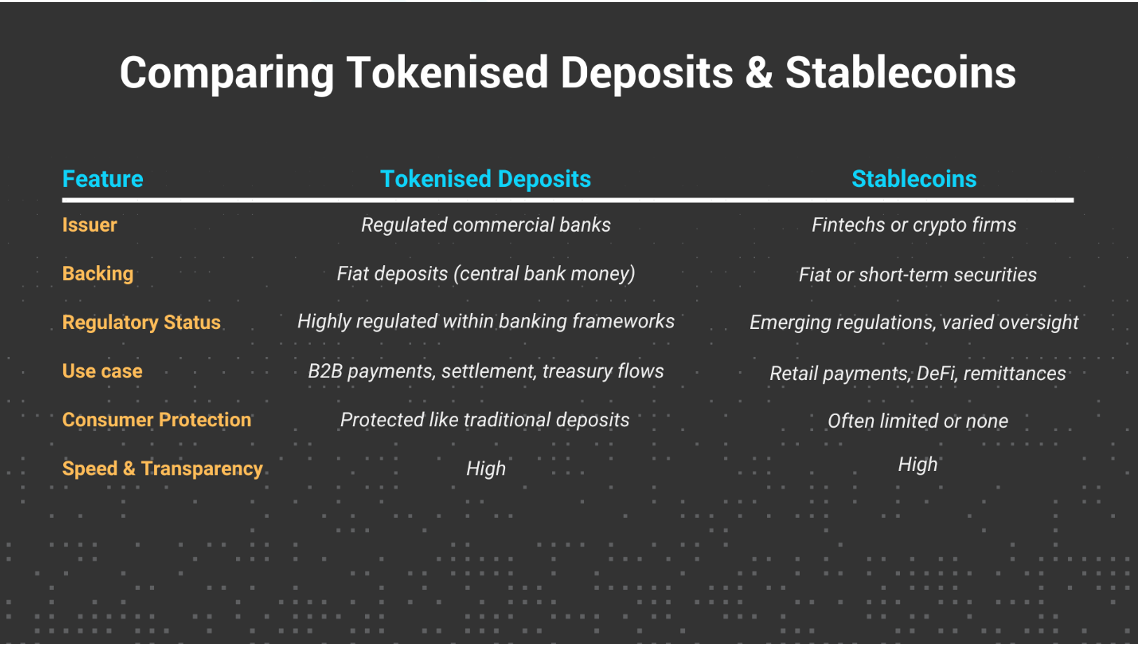
The report provides a compelling vision of a future where financial institutions leverage these digital assets to optimize their operations. For instance, BNY suggests that pension funds might utilize tokenized MMFs to post margin for derivatives contracts almost instantaneously. This scenario highlights the potential for rapid advancements as financial systems evolve.
Such improvements would not only simplify operational tasks for institutions but also create a more efficient marketplace. The blend of traditional financial frameworks with emerging digital technologies is expected to pave the way for improved client services and product offerings.
Regulatory Landscape Facilitating Innovation
Regulatory frameworks are crucial motivators for the advancement of stablecoins and tokenized cash, according to the report. BNY notes the significance of legislative initiatives such as the European Union’s Markets in Crypto-Assets (MiCA) regulation and ongoing policy discussions within the United States and Asia-Pacific region. These efforts signal a maturing regulatory environment, capable of balancing innovation with market stability.
"The regulatory landscape is evolving in ways that could support both innovation and stability within the market," observed BNY’s Chief Product and Innovation Officer, Carolyn Weinberg. She expressed optimism for a transformative phase in global capital markets, affirming that the blend of traditional and digital systems holds remarkable promise for maximizing value for clients.
"We stand at a powerful inflection point that may fundamentally transform how global capital markets function and how its participants transact," Weinberg added, emphasizing that blockchain technology is poised to complement existing financial infrastructure rather than wholly replace it.
Future Collaboration Between Traditional and Digital Markets
Looking ahead, BNY envisions an integrated approach where digital innovations work alongside traditional financial systems. This perspective suggests that the development of digital currencies will not eliminate the need for established financial rails but will enhance and coexist with them.
"The combination of traditional and digital has the potential to be a powerful unlock for our clients and the world," Weinberg noted. By embracing this approach, financial institutions can position themselves favorably in a rapidly changing market landscape that is increasingly adopting digital solutions.
Broader Context of Digital Currency Adoption
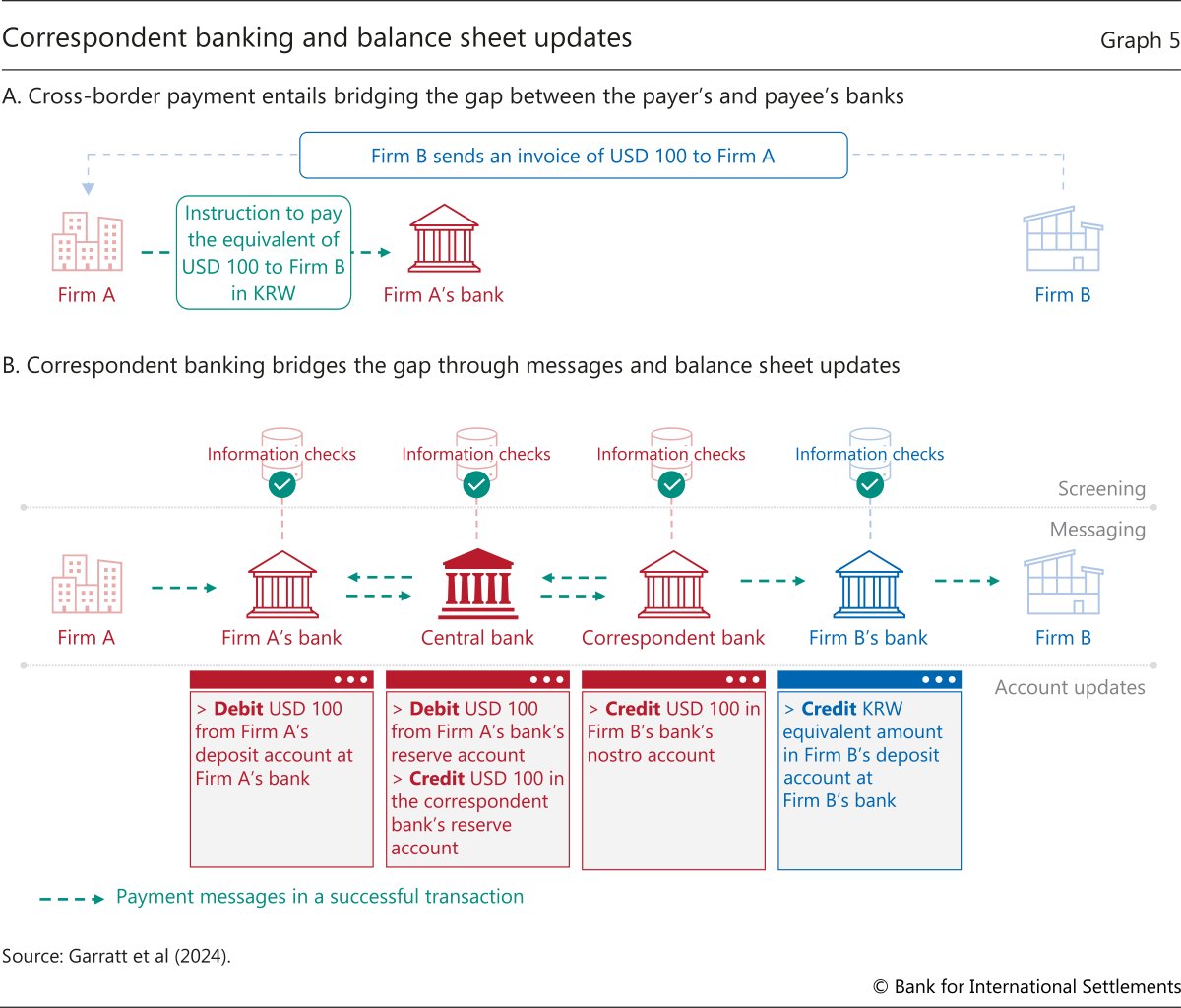
The BNY report parallels other recent trends in the financial services sector, particularly the growing acceptance of stablecoins and accompanying technologies. As financial markets become increasingly interconnected, the ability to transact instantaneously without traditional bottlenecks will attract more institutional investors and facilitate global commerce.
Amid this shift, other players in the cryptocurrency and payments space are making significant moves that align with this growing trend. For instance, Exodus Movement, a notable crypto wallet firm, recently announced its acquisition of Grateful, a company that enhances payment capabilities for merchants and gig workers by enabling stablecoin transactions. Such partnerships reflect the rapid growth in the use of stablecoins for everyday transactions, which are projected to reach an annual volume of $1 trillion by 2030.
Conclusion
BNY Mellon’s projection that stablecoins and tokenized cash could reach a staggering $3.6 trillion by 2030 underscores a critical evolution in the financial landscape, driven by institutional adoption and an evolving regulatory framework. As these digital assets gain traction, they promise to reshape how participants transact in global capital markets.
Comments
Post a Comment